

Beyond the plate: The science of food consciousness
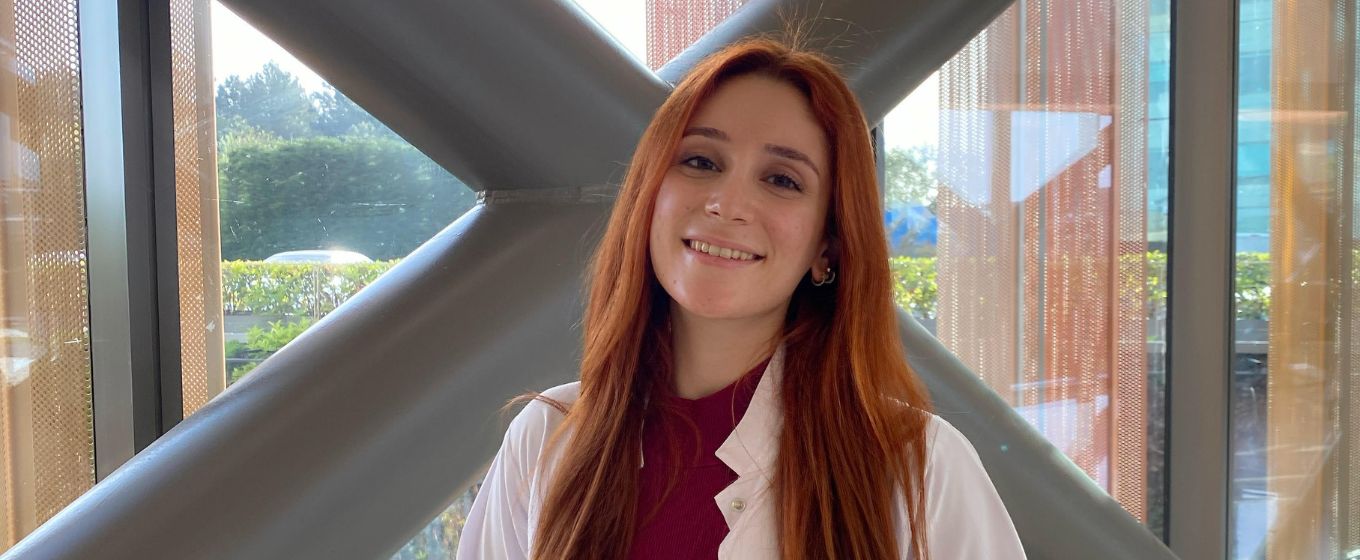
by Nicole Brini
|
Student Snapshot: Berfin Kahraman at a Glance |
Why does knowledge fail to transform eating habits? Through the Master of Science in Consumer Behaviour: Psychology Applied to Food, Health, and Environment, Berfin Kahraman investigates the psychology, physiology and social forces behind food choices.
Why does knowing what is healthy not always change how we eat?
For Berfin Kahraman, this question is not abstract. It emerged from lived experience and became the foundation of her academic path.
The question takes shape
As a teenager in Istanbul, Berfin developed an intense and complicated relationship with food. After living with obesity during high school, she later adopted extreme and restrictive eating behaviours in an attempt to regain control. Looking back, she recognised that the issue went beyond calories or diet plans. “I realised this was not only about nutrition,” she says. “Something psychological was happening in my brain.”
She began to ask questions she could not ignore. Rather than distancing herself from the emotional weight of that period, she chose to reflect on it with curiosity and honesty, allowing both feeling and analysis to guide her next steps. If behaviour could override knowledge, then understanding food required understanding the mind.
She enrolled in a double bachelor degree in Nutrition and Psychology at Acıbadem Mehmet Ali Aydınlar Üniversitesi in Turkey, a demanding academic path open to students who meet high academic standards. For her, combining the two disciplines was essential. Nutrition explained the biological mechanisms of food. Psychology explored motivation, identity, culture, habits and self-regulation. Together, they offered a more complete picture.
.jpg)
Discipline, behaviour change and clinical practice
At the same time, she committed herself to structured physical training and later competed in bodybuilding. The discipline of sport provided routine and direction. More importantly, it reshaped her understanding of health. Over time, she came to question whether sustainable wellbeing could ever be built on extremes, recognising instead that it depends on balance, awareness and the ability to regulate behaviour over time.
Her work as a clinical dietitian gave this real-world depth. In the hospital, she met patients who could clearly explain what a healthy diet looked like. They understood calories, nutrients and recommendations. Yet when it came to daily life, change felt overwhelming. Habits felt safe. Routines felt familiar. Stepping away from them required discomfort. “You have to get out of your comfort zone if you want to change something in your life,” as she would explain in her consultations. Behaviour change, she realised, is rarely about information alone. It demands courage, support and the willingness to tolerate uncertainty. Witnessing these struggles strengthened her conviction that sustainable health depends on addressing the psychological and social dimensions of eating, not only the nutritional ones.
This gap ultimately led her to Università Cattolica del Sacro Cuore, where she sought a programme that would not separate nutrition from behaviour, nor individual choice from its broader social context.
Studying Consumer Behaviour at Università Cattolica
Berfin enrolled in the 2-year Master of Science in Consumer Behaviour: Psychology Applied to Food, Health, and Environment at the University’s Cremona campus. The campus specialises in food, agriculture and consumer sciences, offering a setting closely aligned with her interests. Here, she found an interdisciplinary framework designed to reflect the complexity of real life. The programme brings together psychology, nutrition, marketing and sustainability, acknowledging that food choices are shaped by both individual and systemic factors.
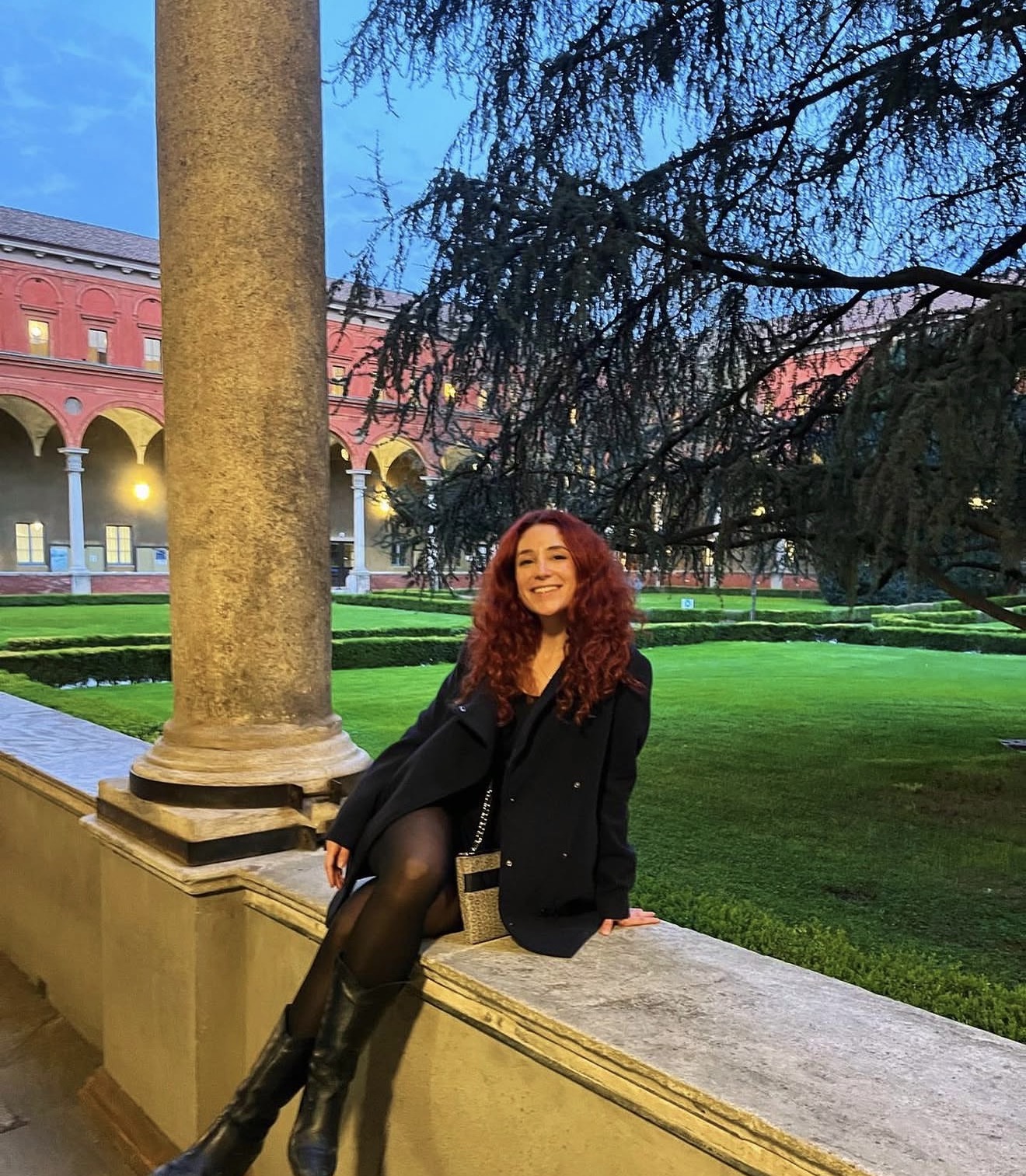
Cremona as a living laboratory
Cremona itself has become a practical extension of her studies. Moving from the fast pace of Istanbul to a smaller city that feels, in her words, “safe and sound,” offered a lived contrast between environments. In Cremona, everything is within walking distance, daily life unfolds at a slower rhythm, and social connections form more naturally. She was particularly struck by what she describes as the “rules” of Italian food culture: structured mealtimes, a clear sequence of courses, and a shared respect for eating as a social act. For Berfin, the city is not just a backdrop to her degree; it is a living example of how environment, social norms and access shape behaviour in ways that complement individual psychology.
Researching the gut–brain axis and health promotion
Today, she is preparing her thesis within a research laboratory in Cremona at Università Cattolica del Sacro Cuore, where scholars investigate the gut–brain axis and the intricate relationship between stress and eating behaviour. The research explores a fundamental question: how do mental states such as stress influence physiological processes in the bowel system, and how do these biological responses, in turn, shape everyday habits? By examining this dialogue between psychology and physiology, Berfin is contributing to a field that moves beyond treating illness to promoting health. Inspired by the programme’s vision, she is particularly interested in how these insights can increase quality of life within healthy populations, generating knowledge that informs long-term behavioural change and produces tangible social impact.
If she could challenge one common assumption about food, it would be the belief that healthy eating must be restrictive. “Healthy eating is not about strict rules or eating less,” she explains. “It’s about making it a normal, sustainable way of eating for life.”
As she prepares to enter the laboratory and translate these ideas into research, her trajectory comes full circle. The questions that once shaped her personal life now guide scientific inquiry aimed at improving the lives of others. Within Università Cattolica’s academic environment, her work reflects a broader commitment to connecting research with social responsibility, to understand complexity without simplifying it, and to generate knowledge that strengthens both individual wellbeing and the common good.